Lake Como Day Trip From Milan: Trains, Ferries and Villages
How to reach Lake Como from Milan on a regional train, which ferry and village combinations work in a day, and what to skip between November and March.
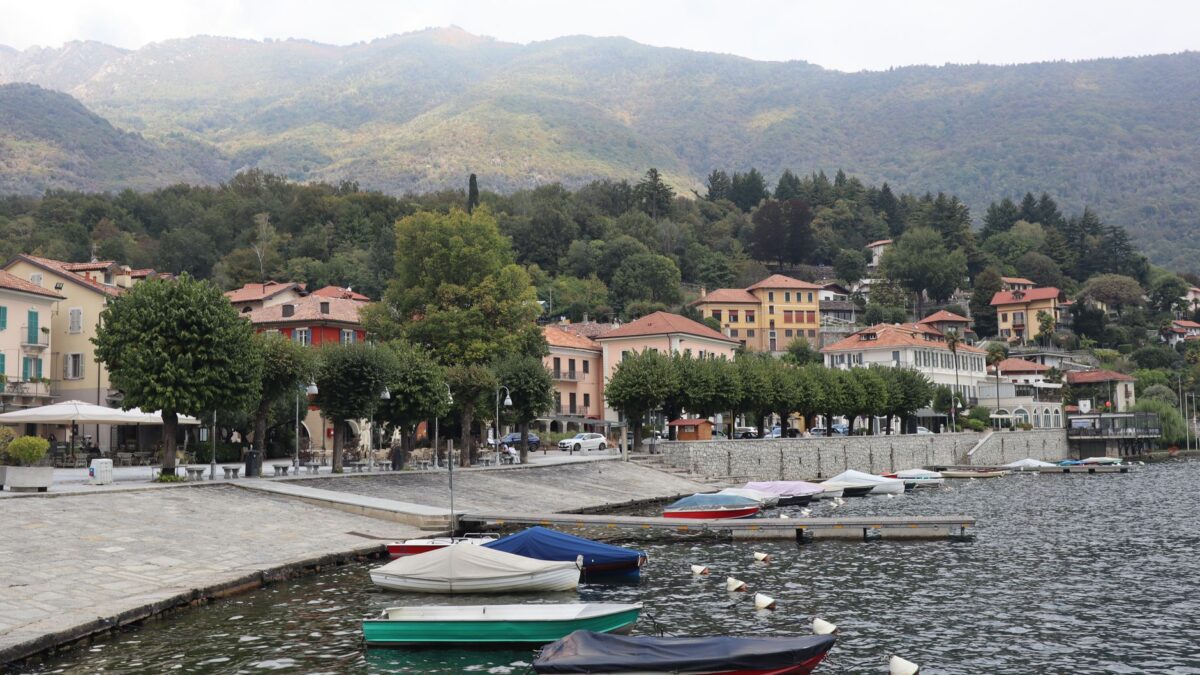
Lake Como is an easy day trip from Milan: regional Trenord trains reach Como San Giovanni in roughly 40 minutes and Varenna-Esino in about an hour. From either town you can continue by ferry to villages such as Bellagio, Menaggio and Varenna. Plan on a full day, and check the ferry timetable first if you travel between November and March.
How do you get from Milan to Lake Como by train?
There are two main rail routes, both run by Trenord (the regional operator for Lombardy). Which one you pick decides where you start on the lake.
| Route | Departs from | Typical time | Best for |
|---|---|---|---|
| Milano Centrale to Como San Giovanni | Milano Centrale | about 40 minutes | The town of Como, the funicular to Brunate, ferries to Bellagio and Varenna |
| Milano Centrale to Varenna-Esino | Milano Centrale | about 1 hour 5 minutes | Varenna village, quick ferry hops to Bellagio, Menaggio and Cadenabbia |
| Milano Cadorna to Como Nord Lago | Milano Cadorna | about 1 hour | Arriving right beside the lakefront and the boat landing |
Trenord’s own route pages list a second-class fare of about €4.80 between Milan and Como San Giovanni and show first and last departures as of November 2026. The Varenna-Esino ticket costs more because the distance is longer, and prices change, so use the Trenord website or app for the current fare. Regional tickets do not require a seat reservation. Validate paper tickets at the platform machine before boarding. Our guide to Trenord and regional trains in Lombardy explains validation, apps and fines.
The Como San Giovanni station is a short walk from the old town and the lake. Varenna-Esino station is above the village and about a 5 to 10 minute walk downhill to the ferry landing. Trains to Varenna usually continue to Lecco and Sondrio, so check the board shows Varenna-Esino as a stop.
How do the Lake Como ferries work?
Ferries are run by Navigazione Laghi, the state-owned lake navigation company. There are slow boats (battelli), faster hydrofoils and car ferries on the Bellagio, Menaggio, Varenna and Cadenabbia crossing. Fares depend on the distance and the type of boat. Day tickets exist for the whole lake and for shorter zones. Prices published by third-party sites disagree, and I could not confirm a current day-pass figure from an official source, so check the Navigazione Laghi site or the ticket office at the landing before you plan a budget.
Some practical rules:
- Tickets are sold at the landing-stage office or at machines. Buy before boarding on busy days.
- The short crossing between Varenna, Bellagio and Menaggio is the cheapest and quickest option. The longer ride from Como to Bellagio is slower but covers more scenery.
- Timetables change with the season. Winter (autumn to spring) timetables run fewer departures, and some hydrofoil services stop.
- Strikes can affect trains and boats. See our guide to strikes in Milan for how the guaranteed windows work.
Which village should you choose: Bellagio, Varenna or Menaggio?
Bellagio sits at the tip of the peninsula between the two southern arms of the lake. It is the best known, with narrow stepped lanes and shops, and it is the busiest in summer. Varenna is smaller, on the eastern shore, and is the easiest to reach by train, so it works for travelers who dislike transfers. Menaggio, on the western shore, has a lakefront promenade and more ordinary local life, and is a base for walks.
A realistic one-day plan with limited time is Milan to Varenna by train, ferry to Bellagio, walk and lunch, ferry back to Varenna, then train to Milan. If you prefer a city component, take the train to Como, walk the old town and lakefront, take a boat to one village, and return.
What is there to see in the town of Como?
Como itself has a compact old town with the Duomo, the lakefront Piazza Cavour and the funicular to Brunate for lake views. The funicular is run separately from the ferries and has its own ticket. The town is useful in winter, when many village attractions and gardens close.
What should you skip in winter?
From roughly November to March, the villas and gardens along the lake mostly close or keep short hours. Villa del Balbianello, Villa Carlotta and similar sites operate seasonally, and opening dates change each year, so verify them on each site’s official page before going. Ferry timetables are thinner, and fog can reduce visibility. On a clear winter day the views are excellent, but plan around the early dusk. Daylight in December ends around 16:45 local time.
Weather in the Milan area is covered in our winter in Milan guide.
Bottom line
Choose your arrival town first: Como for a town walk and Brunate, Varenna for the shortest train-to-boat connection. Leave Milan before 9:00, return by the early evening trains, and screenshot both the ferry timetable and the last train home before you leave the station.
FAQ
Can you visit Lake Como in one day from Milan?
Yes. A train to Como or Varenna takes under an hour and a half, and one or two ferry crossings fit in a day. Staying late means checking the last train back, because evening services thin out.
Do you need to book trains to Lake Como in advance?
Regional Trenord trains do not need reservations and tickets can be bought at the station or in the app. Buy online or in the app on busy weekends to avoid queues.
Is Lake Como worth visiting in winter?
It can be, on clear days, but gardens and some boats operate on reduced schedules from about November to March. Como town is the safest choice then.
Which village is easiest by train?
Varenna, because Varenna-Esino station is a short downhill walk from the ferry landing and trains from Milan run direct.