Best Neighborhoods in Milan for English Speakers and Expats
A comparison of Milan neighborhoods popular with English speakers, with transit links, character and the asking-rent levels published by market sources.
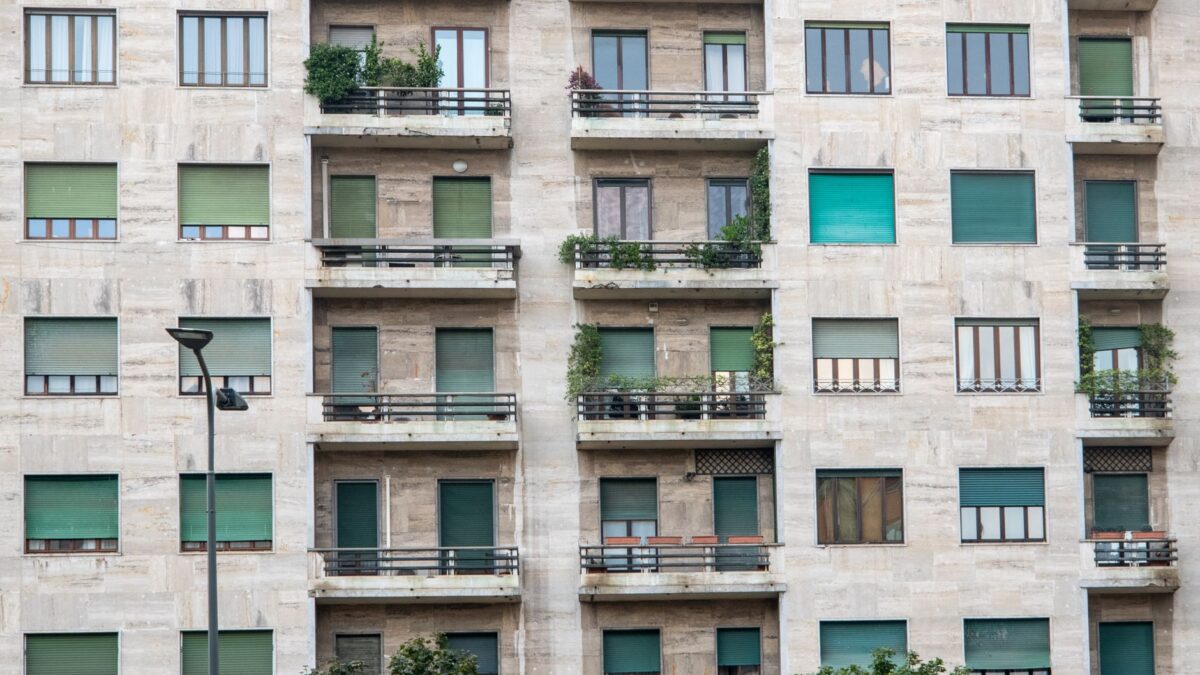
No single Milan neighborhood is best for everyone. Isola, Porta Romana and Navigli suit people who want a lively area with good transit, NoLo is the more affordable choice, and CityLife and Brera are the quieter, pricier ones. Market sources put the citywide asking rent around 22 euros per square meter per month in 2026, with the central zones above and the outer ones below.
How do Milan neighborhoods compare?
The figures below come from two market sources and are asking rents, not signed contracts. Wikicasa gave about 21.3 euros per square meter per month for Isola, about 20.1 for Loreto and NoLo, and about 23.6 for Porta Romana in October 2026. A report using Immobiliare.it data put the city average at about 22.25 in March 2026, Porta Romana, Cadore and Montenero at 23.61, and Cenisio, Sarpi and Isola at 22.71. Treat the numbers as a direction. A 60 square meter flat at 22 euros per square meter is about 1,320 euros a month.
| Area | Character | Main transit | Price level |
|---|---|---|---|
| Isola | Former working-class district, now bars, studios and the Porta Nuova towers | M3 Zara, M5 Isola, trains at Porta Garibaldi | Near the city average |
| NoLo (north of Loreto) | Mixed, multicultural, markets and cafes | M1 and M2 at Loreto, M1 Pasteur and Rovereto | Lower than most central areas |
| Porta Romana | Residential, near Bocconi and the Fondazione Prada | M3 Porta Romana and Lodi | Among the pricier central zones |
| Navigli | Canals, nightlife, bohemian streets | M2 Porta Genova, trams | Above the average, often noisy |
| CityLife | Modern, quiet, towers and a park | M5 Tre Torri, M1 Lotto | Upper range |
| Brera | Historic, galleries and boutiques | M2 Lanza, M3 Montenapoleone | Upper range |
| Porta Venezia | Lively, Liberty-style buildings, a large park | M1 Porta Venezia, trams | Around the central average |
| Lambrate | Design district, near Politecnico Leonardo campus | M2 Lambrate, regional trains | Lower than the center |
| Bicocca | University and corporate campus, modern blocks | M5 Bicocca | Lower than the center |
Which neighborhoods are best for students?
Choose by campus first. For Bocconi, the Porta Romana, Lodi and Corvetto side is closest. For the Politecnico’s Leonardo campus, look at Lambrate, Città Studi and Loreto. For the Statale, the center and the Porta Venezia and Porta Romana areas work. Bicocca is the logical choice for the University of Milano-Bicocca. If you share a flat, a longer commute on the metro can save a few hundred euros a month. See student housing options in Milan.
Where do families and professionals tend to settle?
Families usually put school location first, then green space and parking. CityLife, the area around Parco Sempione, Porta Venezia and Brera are common choices because of parks and walkable streets, and some people choose the suburbs near Milan for more space. If you work in finance around Porta Nuova or Garibaldi, Isola and Brera give a short walk or a single metro stop. Check the school addresses before looking at flats, because many international schools are not in the historic center.
Where can you find lower rents without leaving the metro network?
Zones beyond the inner ring, such as the areas around Loreto and Pasteur (NoLo), Lambrate, Bicocca, Corvetto and the Piola and Città Studi streets, usually ask less per square meter than Brera, CityLife or Porta Romana. The saving is real when a metro station is within a ten-minute walk. Rooms in shared flats are cheaper again, and it is common for two people to share a two-room flat to cut the cost. Always compare the monthly total including condominium costs, not the headline rent.
What should you check before you choose an area?
- The distance to a metro station you would use daily; walk it at rush hour.
- Noise at night, especially in Navigli, Isola and around Corso Como.
- Heating: older buildings may have central heating with set hours. See winter in Milan and heating dates.
- The condominium costs (spese condominiali), which can add a meaningful amount to the rent.
- The monthly transport pass that fits your commute; check ATM fares.
Is renting in the center worth the extra cost?
It depends on how you spend your days. Living in the center lets you walk or cycle to work and nightlife, and you avoid a rush hour commute. The extra rent of a central area over an outer one can be several hundred euros a month on the same size flat, so weigh it against the transport pass you would pay in a cheaper area. Compare it with the rest of your budget in the cost of living in Milan.
Bottom line
Visit your two or three finalists on a weekday morning, a weekday night and a Saturday afternoon before you commit. Time the walk to the nearest metro stop and count the supermarkets and pharmacies on the way. Neighborhood boundaries in Milan are loose, so a street five minutes away can have a very different price.
FAQ
Which area has the most English speakers?
No official data counts them by neighborhood. International students and professionals cluster around Porta Romana, Isola, Navigli, Brera and Porta Venezia, but English is widely spoken in the center.
Is Milan safe at night?
Milan is generally safe, but petty theft is common near Stazione Centrale, crowded metro lines and nightlife areas. Keep valuables in a zipped bag and use the emergency numbers on our emergency guide.
Are rents the same in every season?
Rents are higher and flats go faster in late summer and September because students arrive. Winter is often a slower time to negotiate.