Opening a Bank Account in Milan as a Foreigner: Documents and Costs
What banks in Milan ask from newcomers, whether you can open an account before arriving and the yearly stamp duty on balances above €5,000.
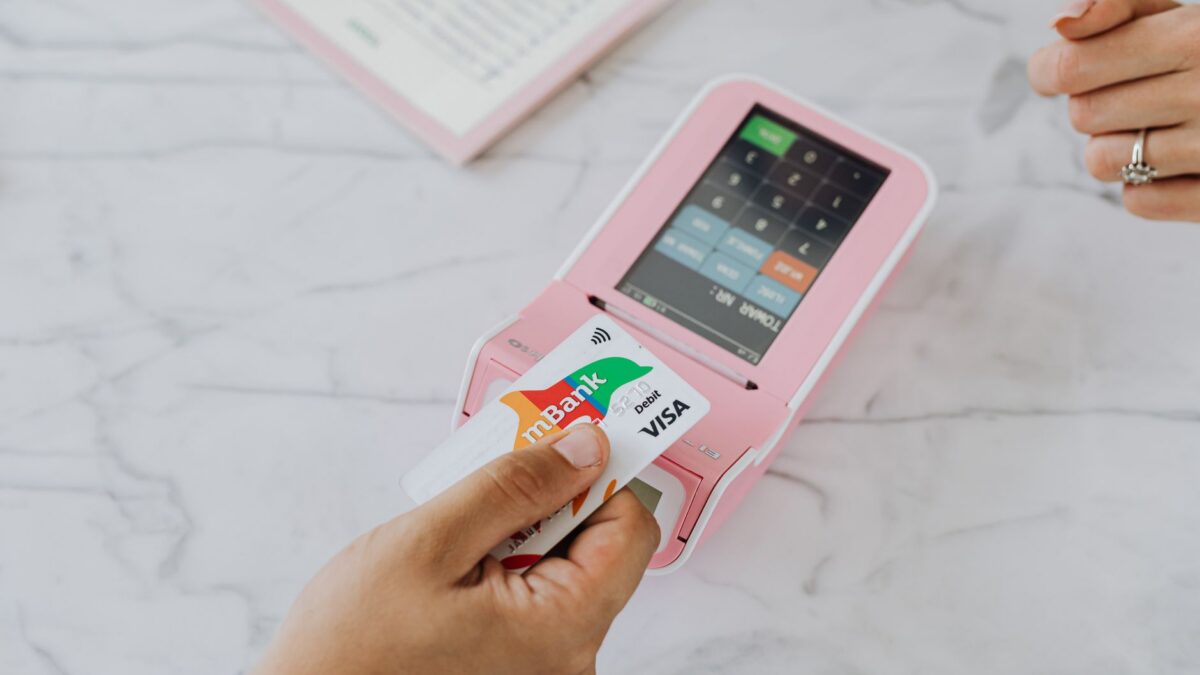
To open a current account (conto corrente) in Milan you normally need a valid passport or ID card, a codice fiscale (Italian tax code) and proof of where you live. Non-EU citizens are asked for a residence permit or a visa. Traditional banks usually want a branch visit. Some online banks open accounts remotely, with their own document rules.
What documents do Milan banks ask for?
Each bank sets its own checklist, but the core items are consistent because of anti-money-laundering rules:
- Passport or national ID card, valid.
- Codice fiscale. See how to get one in Milan.
- Residence permit or visa for non-EU citizens, or the permit receipt while a renewal is pending.
- Proof of address: a rental contract, a utility bill or a residence certificate. Some banks accept a foreign address, others want an Italian one.
- Proof of income or purpose, such as an employment contract, a university enrolment letter or an invitation, which some branches ask for.
Staff differ on small points, such as whether a contract in a language other than Italian is accepted, or whether a student with no income needs a guarantor. Ask the branch for its list when you book an appointment. Since September 2024 the INPS portal and many bank apps expect SPID or CIE, which require an Italian codice fiscale and often an Italian phone number, so a bank account is easier once you have those basics.
Can you open an account before you arrive?
Sometimes. Online banks and some digital accounts allow video identification for foreigners with a passport, and an Italian address is not always required at the start. Traditional banks usually require a visit. Italian consulates abroad can issue a codice fiscale before you move (see the guide), which removes a common obstacle. Whatever you choose, read the bank’s terms about closing accounts if you leave the country or lose the permit.
Traditional bank or online bank?
| Aspect | Traditional bank branch | Online bank or app account |
|---|---|---|
| Opening | Appointment, in person | App and video identification |
| Language | Italian, English at some branches | Often English app and chat |
| Cash and cheques | Branch counter, ATMs | Limited, partner ATMs |
| Mortgages and loans | Easier with a branch relationship | Often not offered |
| Monthly fee | Varies by account, published in its information sheet | Often lower or free tier |
Banks publish a standard information sheet (foglio informativo) with fees for each account, and Bank of Italy rules require them to provide it. This article does not quote fees because published fees change often. Compare the sheets of two or three banks, and look at the cost of a debit card, outgoing bank transfers, cash withdrawals and any minimum balance.
How do you pay rent and receive salary?
Employers pay salaries by bank transfer to an Italian IBAN, so most people open the account in the first weeks. Rent is commonly paid by transfer, and landlords may ask for your IBAN for a deposit refund; see the rental contracts guide. For bills, the standard tool is a direct debit (addebito diretto or SDD), which you authorise on the bank app. The debit network most Italian cards use is PagoBancomat or Visa/Mastercard debit.
What is the stamp duty on accounts and cards?
Italian accounts carry a yearly stamp duty (imposta di bollo). For private individuals it is €34.20 a year, as of November 2026, charged only if the average balance over the year exceeds €5,000, usually in four instalments by the bank. Prepaid cards with an IBAN issued by e-money institutions can carry a smaller duty of €2 when the balance at year end is above about €77. These figures come from banking and tax-information sites, so confirm them with your bank.
What problems do newcomers run into?
The most common problem is circular paperwork. A landlord wants an Italian IBAN, the bank wants proof of address, and the address proof is the lease. Two ways out are a temporary address document, such as a host’s declaration or a university letter at some banks, or an online account that accepts the lease or a foreign address first. A second problem is the phone number: most apps send codes by text, so keep a working number while the account is verified. A third is language, as some branches offer English-speaking staff only on certain days. Ask when booking.
If a bank refuses you, ask for the reason. Since 2016 Italy has had a legal right to a basic payment account (conto di base) for people legally resident in the EU, which has limited services and capped fees. Ask the bank whether it applies in your case. The details are in the Bank of Italy’s consumer guides.
Bottom line
Open the account early, but sequence the steps: codice fiscale first, then the permit paperwork, then the bank. If a branch asks for something unusual, request the requirement in writing, since rules differ among banks and staff. If you are a student with a small balance, the stamp duty will not apply, and a low-fee online account may suit you better than a branch account.
FAQ
Can I open a bank account in Milan with only a passport?
Most banks also want a codice fiscale and proof of address. A few online accounts accept fewer documents for basic services.
Do I need to be a resident to open an account?
Not always. Banks accept some non-residents, but the choice of products shrinks and terms vary by bank.
Can a tourist open an account?
It is possible at some banks, but a codice fiscale is still needed. Most refuse people with no connection to Italy.
Is stamp duty charged every year?
Yes, if your average balance exceeds €5,000. Below that, individuals are exempt.