Ending a Lease in Milan: Notice, Deposit and Registration Steps
A practical checklist for tenants leaving a Milan flat, covering notice, the deposit, the handover, utilities and the registry and tax steps.
To end a lease in Milan, a tenant normally gives at least six months’ written notice by registered letter or PEC (certified email), unless the contract sets a shorter period or there are serious reasons. Then you hand over the flat with a signed inspection, get the deposit back with interest, close utilities and the waste tax, and update your residence.
How much notice must a tenant give?
The default rule for a standard 4+4 contract is that the tenant can withdraw at any time for serious reasons (gravi motivi) that arose after signing, such as a job relocation or a health problem, with six months’ notice. The contract can also contain a withdrawal clause, usually with six months’ notice. Contracts at agreed rents, student contracts and transitory contracts often include their own notice terms, so read your own clause first. Send the notice by registered letter with return receipt or by PEC, keep proof of delivery, and state the date you will leave.
What are serious reasons?
They must be unforeseeable, independent of your will and serious enough to make the lease burdensome. Examples recognized in practice include a job transfer abroad, a serious illness or a major change in family situation. The reason should be explained in the notice, with documents attached. If the landlord disputes it, the matter can go to a court, so for complicated cases ask a tenants’ union or a lawyer.
What notice can a landlord give?
A landlord cannot simply end a 4+4 or 3+2 lease. At the end of the first period, he can refuse renewal only for the reasons listed in the law, such as needing the flat for himself or close family, and has to give six months’ notice before the expiry. At the end of the second period, he can decline to renew with six months’ notice. If no one gives notice in time, the lease renews automatically on the same terms. For contract types, see our guide to Milan leases.
How do you get the deposit back?
The security deposit is capped at three months of rent and earns interest at the legal rate, which goes to the tenant. It is returned when you return the keys and the landlord confirms the flat’s condition. Landlords may deduct for damage beyond normal wear, unpaid bills or unpaid rent. Do not stop paying your last rents on the grounds that the deposit covers them without the landlord’s agreement, because that can count as a default. If the landlord does not respond, send a formal request by registered letter or PEC before considering legal steps.
What should you do at the final inspection?
- Clean the flat and repair small damage you caused.
- Compare the condition with the inventory and the photos from the start of the lease.
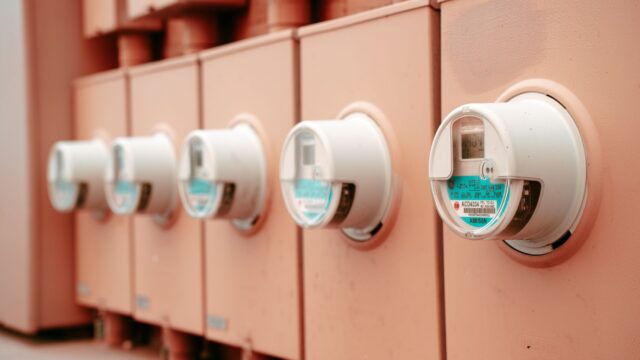
- Read the electricity, gas and water meters and photograph them.
- Sign a handover record (verbale di riconsegna) that states the condition and the date. Keep a copy.
- Return all sets of keys, and note the number of keys returned.
Which utilities and taxes must you close?
Ask each supplier to end or transfer the contract with the final reading you took. Declare the cessation of the waste tax to the Comune; if you skip it, bills can keep coming. Read how TARI works in Milan and how utilities are set up for the corresponding steps. The early end of the contract must also be communicated to the Agenzia delle Entrate within 30 days by whoever registered it, usually the landlord; a fixed fee can apply, and it does not under the flat tax option. Ask your landlord to confirm it was done.
What if the landlord or the building causes problems at the end?
Common disputes involve the deposit, small repairs and unpaid condominium items. Put each point in writing, offer a date and time for the inspection, and keep every message. If the landlord refuses to attend, send the key return and the handover photos by registered letter or PEC and ask for a reply within a reasonable period. Local tenants’ unions offer free or low-cost advice, and a mediation step is required before most rental court cases.
What happens to your residence registration?
If you move to another address in Milan, declare the change to the Anagrafe within 20 days of the move, online with SPID or CIE; the municipal police can check your residence within 45 days. If you leave the city for another Italian municipality, you register there. If you leave Italy, ask the Anagrafe how to be removed from the registry; Italian citizens register with AIRE, the registry of Italians abroad. See how to register residence in Milan for the process in more detail. Tell your bank, employer and the health service of the new address.
Bottom line
Put everything in writing and keep copies. Give notice early, schedule the handover while you are still in the flat, and ask for the deposit refund in a dated letter. A good paper trail turns most disputes into a short exchange of letters.
FAQ
Can I leave early if I find a cheaper flat?
Not freely. A new flat is not a serious reason. You can leave only if the contract has a withdrawal clause, and you must give the notice period it states.
How long does the landlord have to return the deposit?
The law ties it to the end of the lease and the return of the flat. Many contracts set a period of a few weeks to allow the checks. Check your own contract, and send a written reminder if it is late.
Do I need to pay for painting the walls?
Normal wear is the landlord’s cost. Damage beyond normal use, or changes you made, can be charged to you. Photos from the start protect you.