Setting Up Utilities in a Milan Flat: Power, Gas, Water, Internet
What to do in your first week in a rented Milan flat: transfer or activate each utility, which documents you need and which costs to expect.
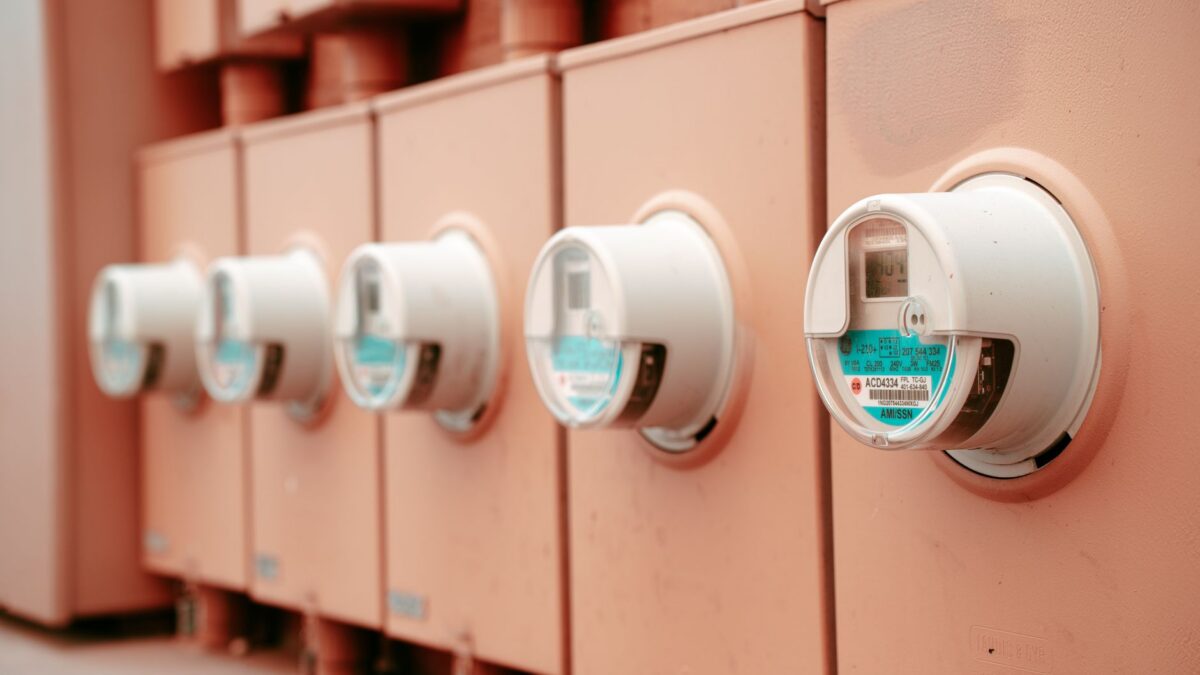
To set up utilities in a Milan flat, you need a contract with a supplier for electricity and gas (a free-market offer you choose), a water contract with the city’s water operator, MM SpA, a waste-tax registration with the Comune, and an internet line. The key terms are voltura (changing the holder of an active meter) and subentro (reactivating a closed meter). Have your tax code, ID, rental contract and the meter codes ready.
Which utilities do you need to set up?
| Service | Who provides it | What you do |
|---|---|---|
| Electricity | Supplier of your choice | Voltura or subentro with the meter code (POD) |
| Gas | Supplier of your choice | Voltura or subentro with the gas code (PDR) |
| Water | MM SpA (Milan’s integrated water service) | Voltura or subentro with owner authorization |
| Waste tax (TARI) | Comune di Milano | Declare the new occupancy; see our TARI guide |
| Internet | Operator of your choice | New line or transfer of an existing one |
What is the difference between voltura, subentro and a new activation?
A voltura applies when the meter is still active and only the name on the contract changes. This is the usual case when the previous tenant has not closed the account. A subentro reactivates a meter that was closed, and it often takes longer because the operator has to reopen the supply. A nuova attivazione is needed when there is no meter at all. The water operator uses the same terms and distinguishes between the first two on its site.
How does the electricity and gas market work now?
Regulated prices for households that are not vulnerable ended: for gas on 1 January 2024, for electricity on 1 July 2024. Customers who did not choose an offer were moved to a transitional service, which according to published sources runs until 31 March 2027 for electricity. Vulnerable customers have separate protections. As of November 2026, most households therefore choose a free-market offer. Compare fixed-price and variable-price offers, any activation costs, the contract length and exit fees. The national regulator ARERA publishes a comparison tool for offers.
Which documents does the supplier ask for?
- Your codice fiscale and an ID document. See how to get a codice fiscale if you do not have one.
- The address and the rental contract or proof of ownership.
- The meter codes (POD for electricity, PDR for gas), found on a previous bill or on the meter.
- A bank account for direct debit, which many offers require. See opening a bank account in Milan.
- For water, the cadastral data of the flat and the owner’s authorization, plus the rental contract for tenants.
MM states that new contracts or takeovers carry administrative costs plus a 16 euro stamp on the first bill, and it accepts requests by email, PEC, post or its online area. Check the current contact details on the operator’s website before sending documents.
How does heating work in Milan flats?
Many older Milan buildings have central heating run by the building, with the season and hours set by national rules for the climate zone, and Milan belongs to zone E. The default season runs from 15 October to 15 April for up to 14 hours a day, but a municipal order can change it. Newer or renovated flats may have their own boiler or heat pumps. Ask in writing whether heating is individual or central and whether the cost is included in the condominium fee. See winter in Milan and heating dates.
How do you set up internet?
Check first whether the building already has a fiber connection and which operators serve the address; the landlord or the building manager usually knows. Compare the monthly price, the activation fee, the contract length and the cost of leaving early. Many offers last 24 months, which is a poor fit for a short lease, so ask about plans with no lock-in or a cost-free transfer when you move.
What do bills and condominium costs include?
An electricity or gas bill has a supply cost, network and system charges, taxes and a fixed fee. Water and waste are billed separately. The condominium costs (spese condominiali) cover shared services such as cleaning, the lift and central heating where it exists. Under the rent law, some items are paid by the tenant and others by the owner, and the contract should say how they are split. Ask for the last year’s condominium budget before you agree to a rent.
What is the common mistake with unpaid previous bills?
The most frequent mistake is to take over a flat without checking the meters and the previous tenant’s final bills. An unpaid or open account can delay your voltura or subentro. At the handover, take photos of the meter readings and ask the landlord for the last bills. Send the first reading to the supplier as soon as the contract starts, so that you do not pay for earlier consumption.
Bottom line
Start the utility steps before the keys are in your hand: ask the landlord for meter codes and the last bills, then request the voltura or subentro on the day the contract starts. Keep every confirmation email and the first meter reading, and set a reminder to review your offer after the first year.
FAQ
Can I set up utilities without a residence permit?
Suppliers ask for an ID and a tax code. A residence permit is not always asked for, but a rental contract is.
How long does activation take?
A voltura on an active meter is usually quick, often within days. A subentro on a closed meter can take longer. Operators publish their own target times, so ask when you apply.
Who handles waste collection in Milan?
AMSA runs household waste collection in the city, while the Comune collects the waste tax.