Emergency Numbers in Milan: 112, 118 and the ER
One number, 112, reaches police, fire and ambulance anywhere in Italy. Here is what the call and the hospital visit look like.
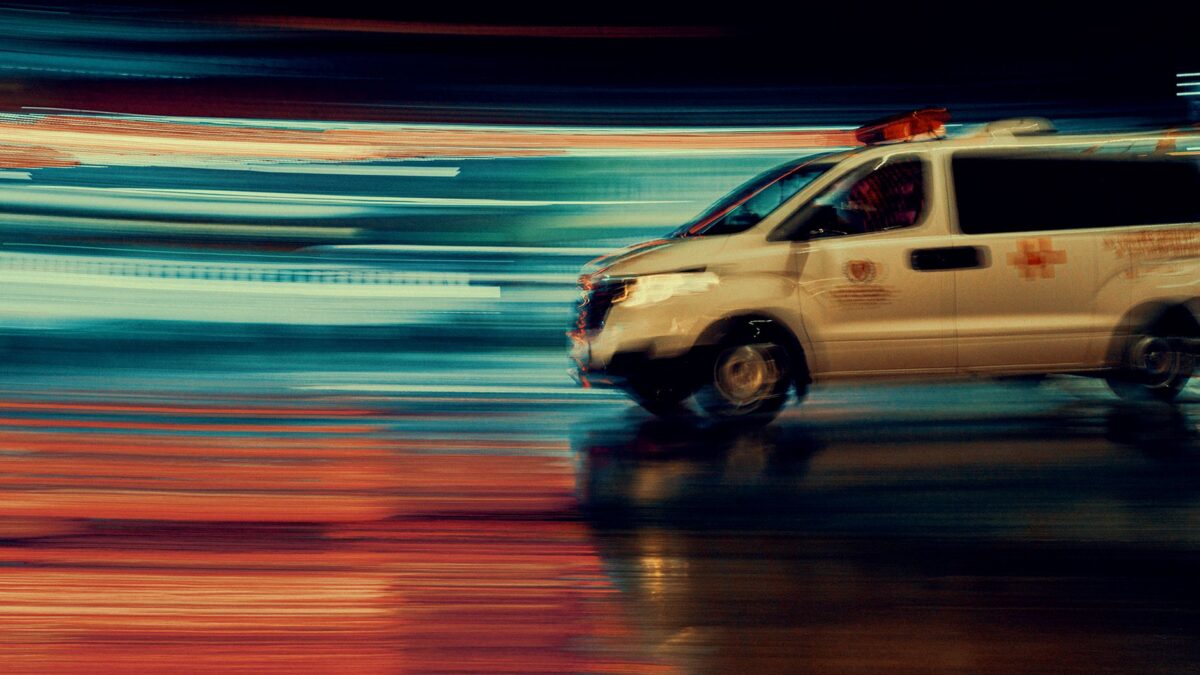
In Milan and across Italy, 112 is the single emergency number, and it works from any phone for free, even without a SIM card. The operator answers, locates you and passes you to police, fire brigade or ambulance. The older number 118 (ambulance) still exists and is still recognized, as of November 2026.
What happens when you call 112?
In Lombardy, 112 calls are answered by the regional single-emergency-number service. The first operator asks for your location, the type of emergency and a phone number, then transfers you to the right service. Stay on the line and answer the questions, because the operator may give first-aid instructions while the ambulance is on its way.
Give the address, building or floor if you can, and landmarks such as a metro station. A phone location is sent automatically but can be imprecise indoors. Operators cope with many callers who speak little Italian, but simple words help: ambulanza (ambulance), incendio (fire), polizia (police), aiuto (help).
What is 118 now?
118 was the number for medical emergencies before the single number was introduced. Calls to it may still be connected, but 112 is the number to remember, and the public information pages at the Regione Lombardia portal describe the 112 system as the entry point. For a non-urgent medical question at night, use 116117, explained in choosing a medico di base in Milan.
Which hospitals have an emergency room in Milan?
An emergency room is called pronto soccorso. Major public hospitals with full emergency departments include Niguarda (north), Policlinico di Milano (near the centre), Sacco (northwest) and San Raffaele (east, private hospital operating within the regional system). Hospitals specialized in one field, for example children or eyes, differ, so the ambulance crew will choose the most suitable site. Do not assume the nearest hospital handles your condition.
| Hospital | General area |
|---|---|
| Niguarda | Northern Milan, Niguarda district |
| Policlinico di Milano | Central, near Crocetta and Sant’Ambrogio |
| Sacco | Northwest, Vialba area |
| San Raffaele | East, near Linate and Segrate |
What do the triage color codes mean?
On arrival, a nurse assesses urgency, a step called triage. Italian emergency rooms assign a priority code, and national guidelines use five levels: red (immediate), orange (very urgent), light blue (urgent), green (low urgency) and white (not urgent). Lombardy hospitals may show a four- or five-level system, so ask the staff how your code is shown. The color decides the order in which you are seen, not the order in which you arrived.
What does the emergency room cost a foreigner?
Emergency treatment is given to everyone. For people covered by the SSN, a non-urgent visit that ends with a white code and no admission can carry a ticket of about €25 in Lombardy under a 2012 regional rule, with exemptions for children under 14 and some other groups. Check the current amount on the hospital or regional site. Visitors without SSN coverage may be billed, so travel or private insurance matters. Foreigners without a residence permit can access urgent care through a temporary code and are not reported for seeking treatment, but ask the hospital desk to confirm for your case.
What if you do not speak Italian?
Say “English, please” (inglese, per favore), show a translation on your phone and keep your passport, tessera sanitaria or insurance paper and a list of medicines ready. Tell the nurse about allergies first. Many staff at larger hospitals speak some English, but this is not guaranteed.
When should you call 112 and when should you not?
Call 112 when there is a danger to life or safety: chest pain, difficulty breathing, severe bleeding, loss of consciousness, a serious injury, a fire, an assault or a crime in progress. Do not call it for information, for a prescription or for a mild illness that can wait for a doctor. Misuse slows help for people who need it, and some false calls are sanctioned. For minor problems, use your family doctor, the 116117 out-of-hours service or a pharmacy.
If you cannot speak, keep the line open. The operator may still send help to the location detected by the phone. Keep the phone charged and keep a note of your home address, floor and door-bell name in Italian, because many buildings in Milan have several entrances and the ambulance needs the right one. After the call, send someone to the street door to guide the crew.
What other useful numbers exist?
Other numbers sit alongside 112 but do not replace it. For non-urgent medical advice outside surgery hours, 116117 connects to the out-of-hours service in Lombardy. The Carabinieri, the state police and the fire brigade all answer through 112 as well. Poison centres, such as the one at Niguarda hospital, offer specialist advice for poisonings, and the 112 operator can connect you if needed. Keep the numbers of your embassy or consulate for lost documents, because they are not emergency numbers but become important after an accident.
Bottom line
Save 112 in your phone with your home address typed in a note, so you can read it aloud or show it to a neighbor. For an out-of-hours medicine or a mild problem, a pharmacy or the 116117 line often saves hours in the waiting room; see pharmacies in Milan.
FAQ
Is 112 free from a mobile?
Yes, and it works without credit or a SIM when a network is available.
Can I call 112 for a mental health crisis?
Yes, if there is danger. Other options are listed in mental health support in Milan.
Do I need ID at the ER?
Bring it if you can, but treatment is not refused to people in need of urgent care.
Are ambulances paid?
Emergency ambulance transport is generally provided without a fee when it is medically needed. Non-urgent transfers may be charged.