Pavia and Certosa di Pavia Day Trip From Milan by Train
How to combine the Certosa di Pavia and Pavia in a day by train from Milan, what to see in each, and why you should check seasonal visiting hours first.
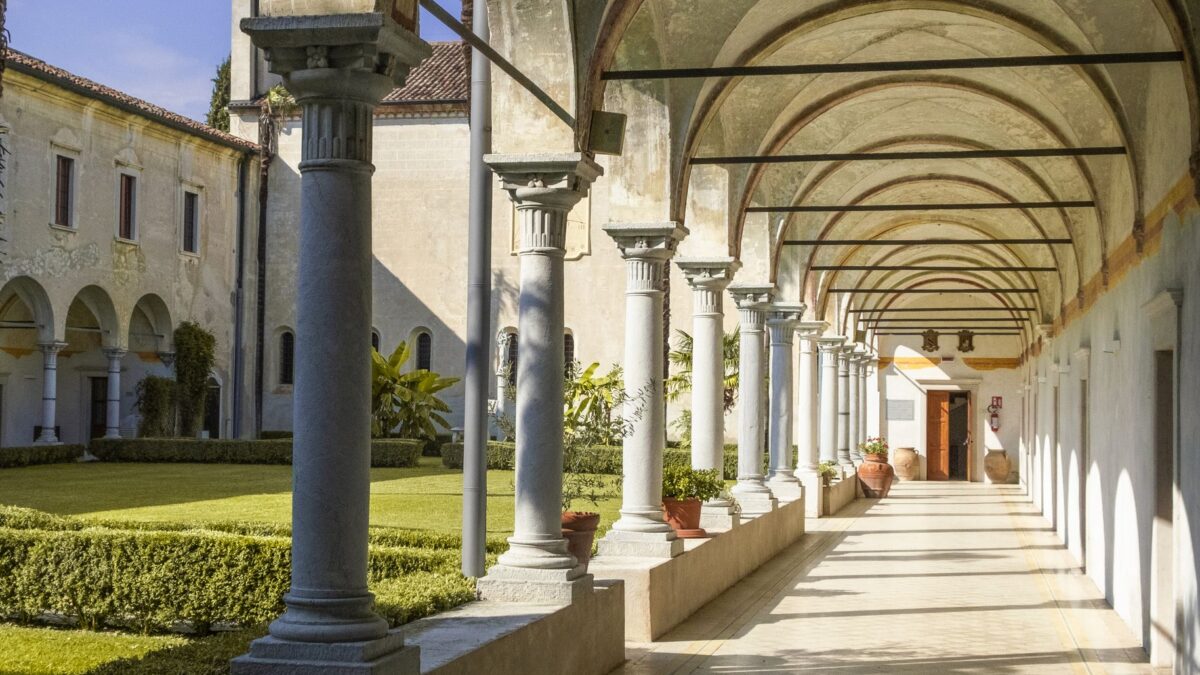
The Certosa di Pavia, a Carthusian monastery famous for its marble facade, and the city of Pavia are both on regional train lines south of Milan. Each takes roughly half an hour to 45 minutes, depending on the train. Entry to the Certosa has been reported as free with a donation requested, but hours vary by season and sources disagree, so check the official pages before you plan the day.
How do you get from Milan to Pavia and the Certosa?
Trenord suburban and regional trains run from Milan to Pavia, with stops at stations such as Milano Rogoredo and Milano Porta Garibaldi on some lines. The journey is roughly 30 to 45 minutes depending on the service. A separate station, Certosa di Pavia, lies on the Milan to Genoa line and is served by some regional trains, and a bus link may be needed between the station and the monastery depending on the timetable. Check current options at trenord.it. For validation and ticket rules, read our guide to Trenord and regional trains.
| Destination | Journey from Milan | From the station |
|---|---|---|
| Pavia | about 30 to 45 minutes | Walk of about 10 to 15 minutes to the old centre |
| Certosa di Pavia | about 30 to 40 minutes by train or car | Walk of roughly 15 to 25 minutes, or a local bus or taxi |
By car, the Certosa is about 30 km south of Milan, roughly 35 minutes in normal traffic. A car makes it easier to link the monastery and Pavia in one trip.
What is the Certosa di Pavia?
The Certosa is a monastery and church begun in 1396 under the Visconti dukes of Milan, who wanted a family mausoleum. The marble facade, richly sculpted, is considered a landmark of Lombard Renaissance art, and the complex includes two cloisters, a refectory and the monks’ cells. Monks give guided visits in some periods. The monastery is currently run by a community of Cistercian monks, according to its visitor information. The Ministry of Culture’s regional museum page lists the Museo della Certosa and links to the visit details at museilombardia.cultura.gov.it.
Is the Certosa free, and what are the hours?
Several visitor sources describe entry as free, with a donation requested, and a guided visit in a group led by a monk. One 2026 guide claims an entrance fee was introduced from January 2026, so the situation is not clear. Hours also differ: one regional tourism site gives continuous opening from 10:00 to 16:00 with last entry 30 minutes before closing, while another lists a split schedule of mornings and afternoons, Tuesday to Sunday. The Certosa is usually closed on Mondays. Because of the conflicting information, I recommend confirming the current hours, fee and tour times on the official page the day before you go. Dress modestly because it is an active religious site.
What is there to see in Pavia?
Pavia is a university town with a compact historic centre, medieval towers and a quieter feel than Milan. Highlights include:
- The Castello Visconteo, a 14th-century castle built by the Visconti, which houses the city’s civic museums. Check hours and tickets on the museum’s site.
- The Ponte Coperto (covered bridge) over the river Ticino. The current bridge was rebuilt after wartime destruction, and the reconstruction follows the older design.
- The Basilica of San Michele Maggiore, a Romanesque church with carved stonework.
- The University of Pavia, one of Italy’s oldest, with historic courtyards in the centre.
Walking across the covered bridge and strolling the riverbank takes less than an hour. A relaxed visit to the castle and old town takes another two to three hours.
How do you combine both in one day?
A sensible order is Certosa in the morning, when the monastery is open, then a train or bus to Pavia for lunch and the afternoon. From Pavia, regular trains return to Milan until the evening. Check the last departure before you decide how long to stay. Allow around two hours at the Certosa and three at Pavia.
If you prefer a different style of trip, compare it with the lakeside options in our Lake Como day trip guide or the hill town in the Bergamo guide.
What changes in winter?
Winter hours at the Certosa can be shorter, and fog is common in the Po Valley in December and January, so the marble facade may be hidden in the morning. Dress warmly because the cloisters are unheated. Pavia’s markets and shops may close at lunchtime or on Monday.
What should you eat and bring?
Pavia sits in the Lomellina and Oltrepò area, rice-growing country, so risotto is the local default on menus, often alongside cotoletta and cured meats. Lunch in the old town is easier than near the Certosa, where there are few restaurants, so eat in Pavia or bring something small. Carry some cash because small shops and the monastery’s shop may not accept cards, and comfortable shoes for the cobbled streets and the walk to the monastery.
The monastery shop sells products made by the monks, such as liqueurs and honey, but availability changes. Photography rules inside the church can differ from the cloisters, so follow the signs or ask the guide.
Bottom line
Check the Certosa’s hours first, because they decide the day. Bring a few euros in cash for a possible donation, and take the early train so you reach the monastery as it opens.
FAQ
How long does it take to get from Milan to Pavia?
Between 30 and 45 minutes by regional train, depending on the service.
Is the Certosa di Pavia open on Mondays?
It is usually closed on Mondays. Confirm with the official page.
Do you need to book the Certosa?
Individual visits do not normally require booking, but groups and guided visits may. Check the official site.
Can you visit both in one day?
Yes, with an early start and attention to the last trains back to Milan.