Pharmacies in Milan: Hours, Night Duty and Prescriptions
Milan pharmacies follow a rota for nights and holidays. Here is how to find one that is open and what you can get without a prescription.
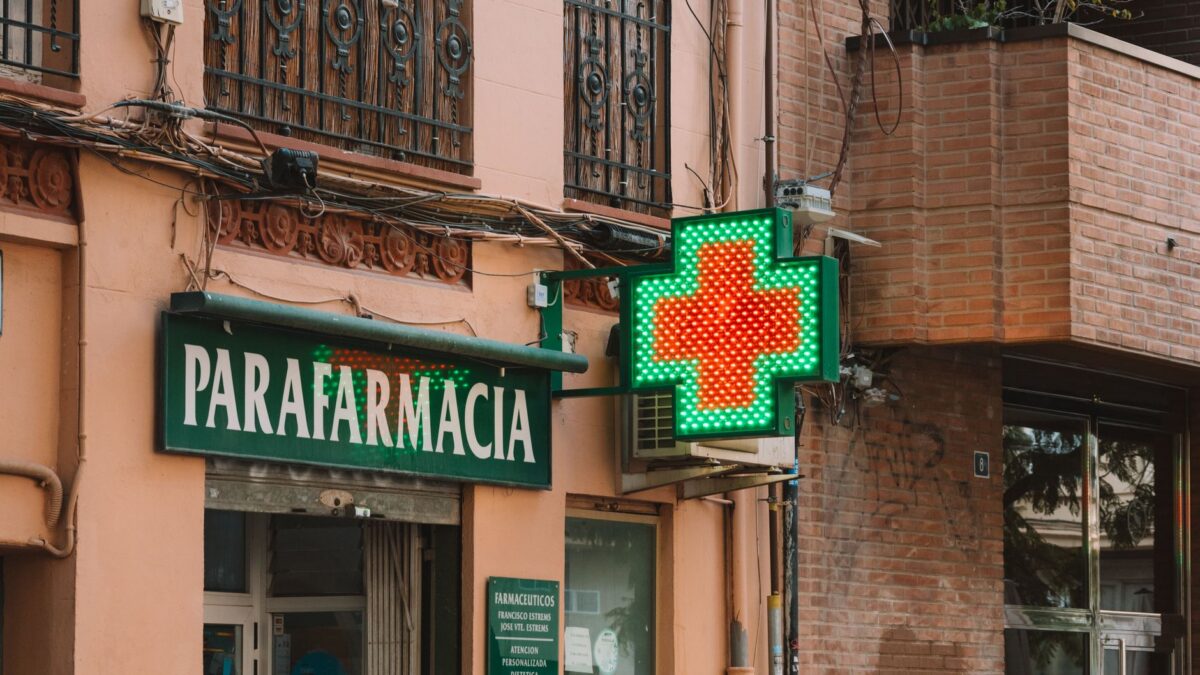
Most pharmacies (farmacie) in Milan open on weekdays from about 8:30 to 19:30 or 20:00, with a midday break at some. Outside those hours a rota of duty pharmacies (farmacie di turno) stays open, and a few pharmacies work around the clock. Prescription-only medicines need a doctor’s ricetta, as of November 2026.
How do you find an open pharmacy tonight?
Every pharmacy displays the list of the nearest duty pharmacies on its door or in the window, with addresses and hours. The same rota is published by the regional pharmacists’ association Federfarma Lombardia, in an app and on its website, and by local news sites. Check the date, because the duty shift changes each day. At night, many duty pharmacies serve through a small window and ask you to ring a bell.
Before you walk across town, phone the pharmacy to confirm that it is open and has the item. This matters most on holidays and in August, when rotas thin out. Details on holiday closures appear in what is open from 8 December to 6 January.
Is there a 24-hour pharmacy in Milan?
Yes, a few pharmacies list 24-hour service, including ones near the main railway station and on central streets. The details and addresses change, and some sources I found disagree on which sites are truly open all night, so confirm by phone or the official duty list before relying on one. A pharmacy at Milano Centrale station keeps extended hours, but it is not clear that it is open overnight.
How do prescriptions work?
A ricetta is the doctor’s prescription. In Lombardy most are electronic (ricetta dematerializzata): the doctor gives you a reminder with a code, or the pharmacy reads it from your tessera sanitaria. The card is therefore the document to carry. The public system pays most of the price of listed medicines (class A) for members, with a small co-payment in some cases. A private prescription from a non-SSN doctor must be paid in full.
| Medicine type | What you need |
|---|---|
| Prescription (class A, C with ricetta) | Ricetta, tessera sanitaria, ID |
| Over-the-counter (OTC or SOP) | Nothing, pharmacist advises |
| Antibiotics | Always a prescription |
| Controlled substances | Special prescription, some need a paper form |
What can you buy without a prescription?
Painkillers such as paracetamol, many cold products, antacids, antihistamines, creams and basic first-aid items are sold over the counter. Brand names differ from home, so ask for the active ingredient (principio attivo). Antibiotics are never sold without a prescription. Ask the pharmacist about interactions, since pharmacists in Italy are trained to advise and many speak some English.
What if your usual medicine is not available?
A pharmacist can often substitute the generic equivalent. If you bring a foreign prescription it is generally not accepted for prescription-only drugs, so see a doctor, either your medico di base or a private one. Bring the box or the generic name of your medicine when you come to Italy.
How does the duty rota work?
The rota is organized by district and by shift. A duty pharmacy opens beyond normal hours on nights, Sundays and holidays, and at night it may serve only urgent needs, which can mean the pharmacist asks what you need before opening the window. A call-out fee applies at some night shifts, so ask the price when you phone. Dispensing at night follows the same prescription rules as by day.
Opening hours can also change in August and at Christmas and Easter, when many pharmacies shorten their schedules. If you rely on a regular medicine, collect it before a long holiday weekend. Pharmacists may also measure blood pressure, sell basic tests and give advice on minor ailments, often for a small fee. A pharmacist who thinks a symptom needs a doctor will tell you so, and in that case a visit to your doctor or the ER is the better step.
How do you ask for medicine in Italian?
A few phrases make the visit smoother: Ho bisogno di… (I need), per il mal di testa (for a headache), senza ricetta (without prescription), ho un’allergia a… (I am allergic to) and c’è un equivalente? (is there an equivalent?). Show the box or a photo of the label of your usual medicine, since the active ingredient is the same in different countries even when the brand is not. Ask the pharmacist for dosage and timing, and read the leaflet, since doses printed for Italy follow local guidance.
Can tourists and short-stay visitors use pharmacies the same way?
Yes. Anyone can walk in, ask for advice and buy over-the-counter products, and pharmacists in the center and near stations often speak English. Visitors from the EU may be able to use their European Health Insurance Card for prescription medicines under the public system, while others pay the full price. Keep receipts if you plan to claim from travel insurance, and ask for an itemized receipt (scontrino parlante) if your insurer asks for it.
Bottom line
Keep your tessera sanitaria with you, save the duty-pharmacy source on your phone and call ahead. For anything that feels serious rather than minor, go to the ER; see emergency numbers in Milan.
FAQ
Are parapharmacies the same as pharmacies?
No. A parafarmacia sells OTC products and cosmetics but not prescription medicines.
Do pharmacies open on Sunday?
Only the duty pharmacies and a few others do. Look for the cross sign lit and the rota on the door.
Can pharmacies give vaccines?
Some do, in Lombardy, for flu and other shots. See flu and COVID vaccines in Lombardy.
Can I pay by card?
Yes, almost all accept cards, but a night window may prefer cash.