Italy Collects Record €1.2bn in Tourist Tax as Milan’s Extra Fee Ends
Italian councils took a record €1.2bn in tourist tax. From 2027 Milan can no longer charge above €5 a night, and Codacons questions the spending.
Italian councils collected a record €1.2bn from the imposta di soggiorno (the tourist tax charged per night on hotel and rental stays), according to The Local Italy, citing tourism consultancy JFC. For Milan, the bigger change comes next year: from 2027, only Rome, Florence, Venice, Pisa, Rimini and Verbania will be allowed to charge more than the standard €5 a night.
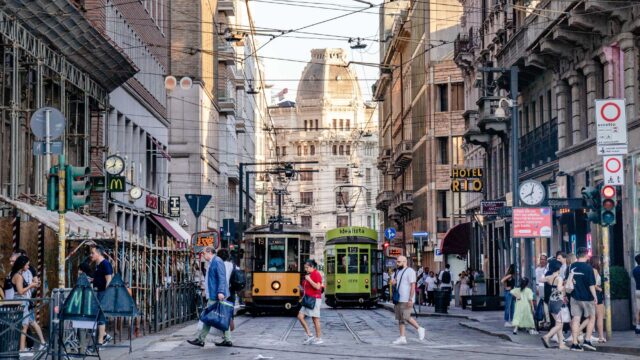
That means the temporary increases that let councils, including those near Winter Olympics venues, raise the nightly charge are coming to an end, and Milan is not on the list of cities keeping a higher ceiling.
What it means for visitors and hosts in Milan
Since 2024, councils have been allowed to add up to €2 a night to the tax as a temporary increase. In 2026, councils within 30km of Winter Olympics venues could add up to €5 more on top. Both increases run out when the 2027 rules take effect, leaving a €5 cap for every city except the six named above.
Hosts who rent rooms or flats to tourists in Milan handle the tax for their guests; the local requirements are in our guide to short-term rental rules, CIN codes and the tourist tax in Milan.
How the record total built up
The €1.2bn total is almost 17 times what councils raised in 2011, the first year of the tax, when only 13 councils charged it. By 2026 the number of councils applying it had grown to 1,411, JFC said. Rome remained by far the largest earner, with around a quarter of all revenue in the first half of this year.
Rome works under a separate law from 2010 that does not tie the money to tourism. The city collected around €200 million in 2024, and the council told investigative outlet Altreconomia that all of it goes into the general budget.
Where the money is supposed to go
By law, councils must spend the revenue on tourism, cultural heritage, the environment and local public services. Consumer group Codacons said on Tuesday that in practice the money often goes straight into general budgets, which breaks the law, and that there is no transparency over how councils use it. The group has made the same complaint since 2024.
Milan’s tourism councillor Martina Riva told local media that the tax exists to pay for services connected to tourism, naming transport first, then cleaning, security and the upkeep of museums.
The state’s share of the Olympic increase
The 2026 budget included a provision letting the national government keep 30 percent of the extra revenue from the temporary Winter Olympics increases. The government said the money tops up national funding for children in care and for the inclusion of pupils with disabilities in schools.
Anci (Italy’s national association of councils) objected, saying councils already pay for these services. Its president, Naples mayor Gaetano Manfredi, said using the tax this way risks distorting its purpose. Imola’s mayor, Marco Panieri, told Il Resto del Carlino it was not acceptable for the state to keep 30 percent of the extra revenue.
Venice adds days to its day-tripper fee
Venice will charge its separate day-tripper fee on 72 days next year, up from 60 in 2026, the city council said in October, while keeping the price at €10 for now. Its budget councillor Michele Zui said in September that the city wanted government support to charge as much as €30. Venice took €5.2 million from almost 680,000 day-trippers in 2026 and said €1.77 million was left after running costs, which went toward freezing residents’ waste collection bills.
Source: The Local Italy